
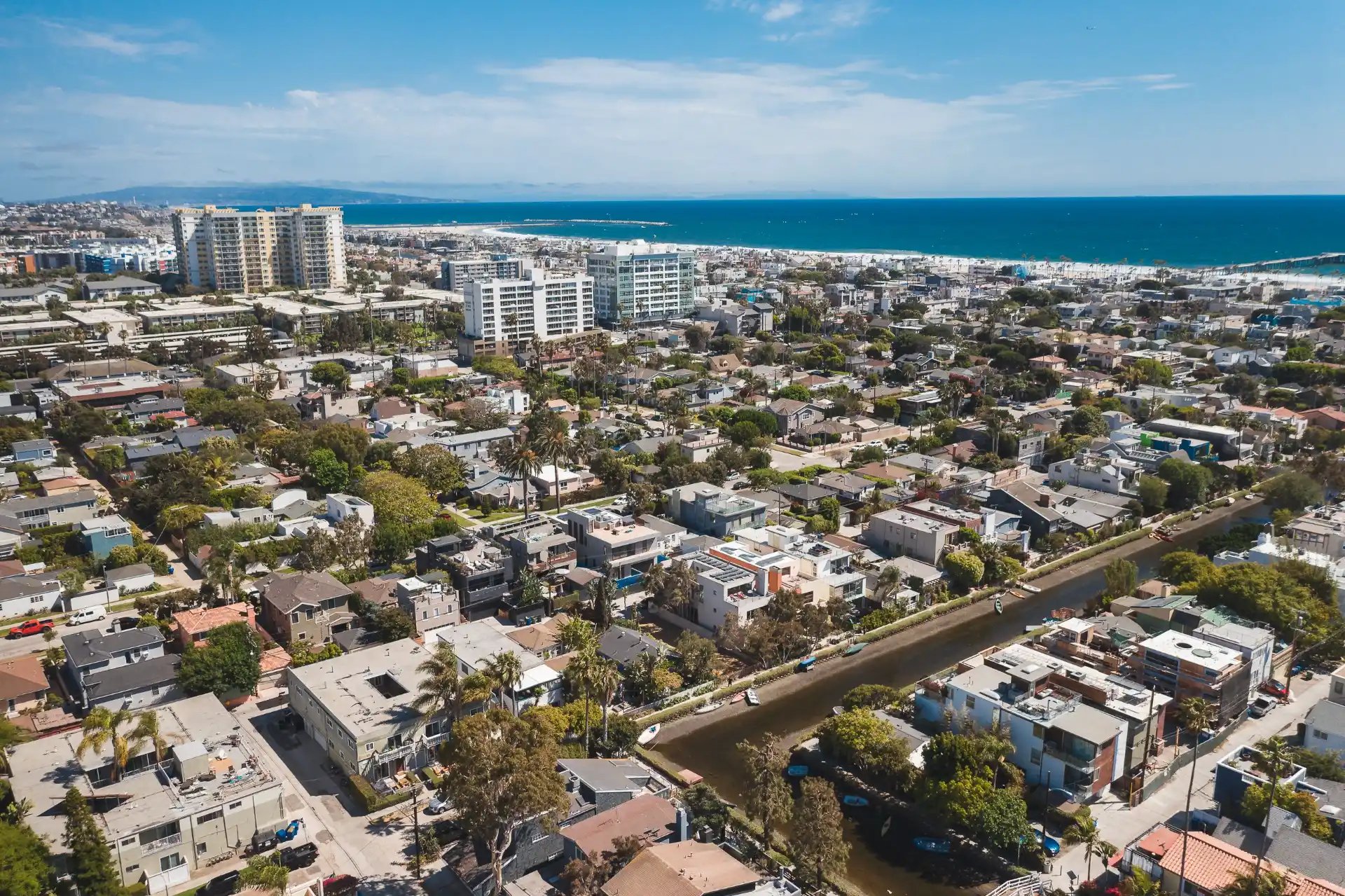
Two neighborhoods can share the same Santa Cruz ZIP code and still offer noticeably different homebuying experiences. That is especially true when comparing Upper and Lower Westside, where hillside residential streets, university access, coastal recreation, and different housing styles influence everyday life.
If you’re researching Upper vs Lower Westside Santa Cruz, the biggest difference is location. Upper Westside extends toward UC Santa Cruz and inland elevations, while Lower Westside includes residential neighborhoods closer to West Cliff Drive, Natural Bridges State Beach, and the Pacific Ocean.
But choosing between them involves more than deciding whether you prefer hills or beaches.
Home prices, architectural styles, lot characteristics, nearby amenities, school access, and property maintenance requirements all deserve consideration. Some buyers prioritize proximity to UCSC and open space, while others want convenient access to coastal paths, surfing, or neighborhood businesses.
This guide compares the two areas using local information, 2026 housing market figures, and practical homebuying considerations to help you make an informed decision.
Before narrowing your search, explore Westside Santa Cruz homes for sale to see available properties across the broader neighborhood.
1. Upper vs Lower Westside Santa Cruz: A Quick Neighborhood Comparison
The most useful way to compare Upper and Lower Westside is to look beyond neighborhood labels and consider how each location fits your daily routine.
Upper Westside is generally associated with residential streets closer to UC Santa Cruz, elevated terrain, and access to inland open spaces. Lower Westside is more closely associated with coastal neighborhoods, West Cliff Drive, and businesses around the Swift Street and Mission Street corridors.
Both areas offer a mixture of housing styles, and neither can be defined by one property type or lifestyle.
Upper and Lower Westside Santa Cruz Differences at a Glance
| Feature | Upper Westside | Lower Westside |
| General location | Toward UCSC and inland elevations | Toward West Cliff Drive and the coast |
| Terrain | Includes hillsides and sloping streets | Generally flatter in many coastal neighborhoods |
| Housing styles | Ranch homes, detached houses, custom homes, some attached housing | Cottages, bungalows, detached houses, renovated homes, some attached housing |
| Outdoor recreation | UCSC-area open spaces and inland trails | Beaches, coastal paths, and surf spots |
| UCSC access | Generally closer to campus | Varies by address and route |
| Coastal access | Usually requires a longer trip | Convenient from many coastal streets |
| Ocean views | Possible from certain elevated properties | Possible from certain coastal properties |
| Property considerations | Slope, drainage, and hillside maintenance where applicable | Salt-air exposure, drainage, and coastal conditions where applicable |
These are general neighborhood characteristics, not guarantees for individual properties.
A house on a busy Upper Westside road may feel different from one on a quiet residential street. Likewise, a Lower Westside property near Mission Street may offer a different experience from a cottage overlooking West Cliff Drive.
For buyers, the best comparison starts with the actual address, property condition, and nearby destinations.
Where Are Upper and Lower Westside Santa Cruz Located?
Mission Street, which carries Highway 1 through this part of Santa Cruz, is commonly used as a general reference point for distinguishing Upper and Lower Westside.
Upper Westside generally extends inland and uphill toward UC Santa Cruz. Lower Westside includes coastal residential areas stretching toward West Cliff Drive and the Pacific Ocean.
However, neighborhood boundaries are not universally standardized. Real estate websites, local residents, and market researchers may define some smaller neighborhoods differently.
Upper Westside: Toward UCSC and the Hills
Upper Westside includes residential settings associated with Western Drive, Bay Drive, High Street, and the university’s lower approaches.
Its terrain varies from relatively level residential blocks to hillside properties with changes in elevation.
Nearby destinations include the UC Santa Cruz Arboretum & Botanic Garden, located at 1156 High Street, and outdoor recreation areas connected to the broader university landscape.
Lower Westside: Toward the Pacific Coast
Lower Westside includes neighborhoods associated with West Cliff Drive, the Circles, Natural Bridges, and coastal residential streets west of downtown Santa Cruz.
The City of Santa Cruz identifies approximately 2.5 miles of accessible multi-use pathway along West Cliff Drive, connecting coastal recreation opportunities and scenic viewpoints.
This geographical difference affects walking routes, cycling, travel patterns, and property maintenance considerations.
Nevertheless, distance should be evaluated individually. Not every Lower Westside property is within a short walk of the beach, and not every Upper Westside property offers convenient access to university facilities.
Living in Upper Westside Santa Cruz: Homes, Lifestyle, and Benefits
Upper Westside can appeal to buyers interested in established residential surroundings, proximity to UC Santa Cruz, and access to inland recreation.
The area’s topography creates different residential settings, from conventional streets with detached houses to elevated properties with hillside views.
Housing Styles and Property Types
Upper Westside Santa Cruz homes include mid-century ranch houses, traditional single-family residences, updated properties, custom-built homes, and some condominiums or townhome-style developments.
Ranch-style houses may feature single-level layouts, while hillside homes sometimes use multilevel designs to adapt to sloping lots.
Some properties offer gardens or larger outdoor areas, but buyers should not assume every Upper Westside lot is larger than a comparable Lower Westside parcel.
Key Benefits of Upper Westside
- UCSC proximity: Convenient for buyers who regularly travel to the university, depending on their specific address.
- Residential variety: Different house sizes, architectural styles, and ownership options.
- Outdoor access: Opportunities to explore the UCSC Arboretum and inland recreation areas.
- Elevated settings: Some properties offer views toward Monterey Bay or the surrounding landscape.
- Property flexibility: Certain detached properties may provide opportunities for improvements, subject to permits and zoning requirements.
Pogonip Open Space is another important nearby recreational destination. The City of Santa Cruz identifies approximately 11.5 miles of trails there, although only designated portions permit cycling and equestrian use.
Upper Westside Home Prices in 2026
Westlake provides one useful Upper Westside-associated market reference.
Realtor.com’s August 2026 neighborhood data reported a $1,935,000 median listing price in Westlake, compared with $1,853,250 in its May 2026 neighborhood snapshot.
These are median asking prices for Westlake, not verified median closed-sale prices for all of Upper Westside. They illustrate why buyers should compare recent sales and listings within a carefully defined search area.
Schools to Research
Schools relevant to Westside buyers include Westlake Elementary School at 1000 High Street, Mission Hill Middle School at 425 King Street, and Santa Cruz High School at 415 Walnut Avenue.
School assignment depends on the property address and district enrollment boundaries, not simply whether a home is described as Upper Westside.
To explore current listings in this area, visit Upper Westside Santa Cruz homes for sale.
Living in Lower Westside Santa Cruz: Coastal Homes and Everyday Amenities
Lower Westside offers a different setting, with coastal recreation and established residential streets shaping much of the neighborhood’s appeal.
Residents in certain locations have convenient access to West Cliff Drive, Natural Bridges State Beach, and shops or restaurants around Swift Street and Mission Street.
The area combines traditional residential architecture with renovated homes and some contemporary properties.
Housing Styles and Property Types
Lower Westside Santa Cruz homes include beach cottages, Craftsman-inspired bungalows, traditional detached houses, older residences, custom renovations, and some condominiums or attached housing.
The Circles neighborhood is particularly associated with an established coastal residential setting, although property sizes and architectural details vary by street.
Older homes may offer distinctive finishes and compact layouts. Buyers should also investigate roofing, foundations, moisture exposure, and the permit history of previous renovations.
Key Benefits of Lower Westside
- Coastal recreation: West Cliff Drive, Natural Bridges, and nearby shoreline destinations.
- Surf culture: Access to well-known Santa Cruz surfing areas, including Steamer Lane.
- Neighborhood amenities: Businesses, dining, and shopping around Swift Street and nearby corridors.
- Architectural character: Traditional cottages, bungalows, and renovated homes.
- Walking and cycling opportunities: Convenient from certain residential locations, depending on terrain and destination.
Natural Bridges State Beach is known for its rock arch, tide pools, and monarch butterfly habitat. Swift Street Courtyard also contributes to the area’s local food, beverage, and shopping scene.
Lower Westside Home Prices in 2026
Realtor.com’s August 2026 market data reported a $1,795,000 median listing price for The Circles, compared with $1,595,000 in its May 2026 snapshot.
These figures represent asking-price medians for The Circles only. They should not be treated as median sale prices for all Lower Westside neighborhoods.
The variation between reporting periods also shows why a single neighborhood price should not determine what an individual property is worth.
Schools to Research
Bay View Elementary School at 1231 Bay Street, Mission Hill Middle School, and Santa Cruz High School are useful schools to investigate when researching this part of Santa Cruz.
Enrollment boundaries must be checked for each property through Santa Cruz City Schools.
Buyers wanting to compare available coastal-area properties can explore Lower Westside Santa Cruz homes for sale.
Upper vs Lower Westside Home Prices: What Does the 2026 Market Show?
Price is an important part of the Westside Santa Cruz neighborhood comparison, but meaningful comparisons require more than placing two headline numbers side by side.
A neighborhood’s median listing price describes the midpoint of advertised asking prices. A median sale price measures completed transactions. The two metrics can differ, particularly in markets with limited inventory or a wide range of home sizes.
August 2026 Market Comparison
| Market area | Median asking price | Listing price per sq. ft. |
| Westlake — Upper Westside-associated | $1,935,000 | $870 |
| The Circles — Lower Westside | $1,795,000 | $1,332 |
| Santa Cruz — Citywide | $1,479,000 | Not used for this comparison |
The two selected neighborhood medians span $1.795 million to $1.935 million. This is a range between two neighborhood medians, not the asking-price range for every property in either Upper or Lower Westside.
The price-per-square-foot comparison is especially interesting. The Circles had a higher reported listing price per square foot than Westlake, even though Westlake had a higher median asking price.
That difference may reflect the mix of property sizes, locations, and available listings. It does not prove that every Lower Westside property commands a coastal premium.
Broader Westside Asking-Price Range
For additional context, a RealtyHop Westside listing snapshot on November 5, 2026 reported:
- Median asking price: $1,675,000
- 25th-percentile asking price: $999,000
- 75th-percentile asking price: $2,535,000
- Active residential listings: 29
The 999,000–2,535,000 interval represents the middle half of that platform’s listed properties, not a guaranteed purchase budget or the full range of available homes.
These datasets use different search boundaries and reporting periods and should not be combined to calculate an Upper-versus-Lower median sale-price difference.
For an accurate buying decision, ask for recent comparable closed sales filtered by property type, condition, square footage, and exact neighborhood boundaries.
Schools, Walkability, UCSC Access, and Daily Lifestyle
For many buyers, everyday convenience matters as much as the house itself.
Upper and Lower Westside both offer access to the wider Santa Cruz community, but their location-specific advantages differ.
UCSC Access and Transportation
Upper Westside is generally closer to UC Santa Cruz, particularly around High Street, Bay Drive, and Western Drive. This can be useful for buyers who regularly visit campus.
Lower Westside may offer more convenient access to coastal recreation and selected neighborhood businesses.
However, travel times depend on the actual property address, campus destination, traffic, available transit routes, and time of day. Neither area should be described as universally better for commuting.
Walkability and Outdoor Activities
Lower Westside includes flatter streets in some coastal areas and convenient connections to West Cliff Drive’s approximately 2.5-mile pathway.
Upper Westside offers opportunities for outdoor activities around the UCSC landscape and nearby open spaces, but hills and distances may affect walking or cycling convenience.
For both locations, buyers should test trips to grocery stores, parks, work, and other frequent destinations rather than relying only on a neighborhood-level walkability score.
Schools and Enrollment Boundaries
The Santa Cruz City Schools district includes:
- Elementary: Westlake Elementary and Bay View Elementary
- Middle: Mission Hill Middle School
- High: Santa Cruz High School
These schools are useful starting points for research, not a ranking of which campuses are best.
Buyers can compare educational programs and enrollment requirements and should confirm school assignment through the district’s address-based school locator.
A property located near a campus is not necessarily assigned to that school.
Which Westside Neighborhood Is Right for Your Buying Priorities?
Choosing between Upper and Lower Westside is ultimately about matching a property to your priorities, rather than identifying one universally better neighborhood.
Both locations offer appealing housing options, but they also involve different practical considerations.
When Upper Westside May Be Worth Exploring
Upper Westside may be a good starting point if you prioritize:
- Regular access to UC Santa Cruz
- Established residential streets and varied house layouts
- Proximity to inland open spaces and trail networks
- Opportunities to compare hillside and elevated properties
- Detached homes or attached properties away from the immediate shoreline
For hillside properties, inspect drainage, foundations, slope conditions, and retaining walls where applicable.
When Lower Westside May Be Worth Exploring
Lower Westside may better match your interests if you prioritize:
- Coastal walking and cycling opportunities
- Access to West Cliff Drive and nearby beaches
- Traditional beach cottages or bungalow-style architecture
- Local dining, shopping, and neighborhood destinations
- A daily routine centered around coastal recreation
For coastal properties, investigate salt-air maintenance, moisture, insurance, drainage, and any applicable shoreline hazards.
Santa Cruz’s 2026 coastal resilience planning includes ongoing work addressing erosion, storms, and long-term shoreline conditions along West Cliff Drive. Actual risk varies by parcel, so property-specific investigations are essential.
A Practical Homebuyer Checklist
Before choosing either location, ask:
- Does the property fit your purchase budget and estimated monthly ownership costs?
- Are recent comparable closed sales available for the same property type?
- How convenient are your regular work, school, and recreational destinations?
- What maintenance issues are associated with the building and lot?
- Have school assignments, permits, insurance, and relevant property disclosures been verified?
- Which neighborhood characteristics matter most to your daily life?
Find the Right Home in Westside Santa Cruz
Upper Westside and Lower Westside each offer distinctive opportunities. One buyer may prefer access to UCSC and inland recreation, while another values the coastal setting and amenities near West Cliff Drive.
The most useful next step is comparing real properties rather than relying only on neighborhood descriptions.
Charlie Lambert can help you explore available homes, understand recent comparable sales, and evaluate the practical differences between Upper and Lower Westside Santa Cruz. If you’re considering buying in either area, connect with Charlie to discuss your priorities and make a more informed choice.
Frequently Asked Questions About Upper vs Lower Westside Santa Cruz
Upper Westside is generally located inland toward UC Santa Cruz and includes elevated residential streets, hillside properties, and access to nearby open spaces. Lower Westside extends toward West Cliff Drive and the Pacific Ocean, offering coastal neighborhoods, beach access, and local businesses. Both areas include different housing styles, including detached homes and some attached properties. The right choice depends on your preferred location, budget, property features, and everyday priorities.
A November 5, 2026 RealtyHop snapshot reported a median asking price of $1,675,000 for its broader Westside search area, with the middle half of listings priced between $999,000 and $2,535,000. Realtor.com’s August 2026 data reported median listing prices of $1,935,000 in Westlake and $1,795,000 in The Circles. These figures represent asking prices rather than average completed sale prices, and the neighborhoods use different geographic boundaries. Buyers should review recent comparable closed sales to understand pricing for a particular property type and location.
Westside Santa Cruz offers different residential options, including single-family homes, condominiums, townhomes, cottages, and custom properties. First-time buyers may wish to compare attached housing and ownership costs, while families and relocation buyers may focus on school access, home layout, outdoor amenities, and transportation. UCSC-affiliated buyers may prefer locations nearer campus, while coastal lifestyle buyers may prioritize Lower Westside. Affordability and suitability depend on the specific property, financing, and buyer preferences.
Schools worth researching include Westlake Elementary, Bay View Elementary, Mission Hill Middle School, and Santa Cruz High School. Upper Westside includes residential areas near UCSC and Westlake, while Lower Westside includes coastal areas such as The Circles. Neither location is universally better, because buyers have different preferences regarding school programs, housing options, outdoor activities, and daily travel. School assignments should be verified for each property using Santa Cruz City Schools’ official address-based school locator.
Upper Westside is generally closer to the UC Santa Cruz campus, particularly around High Street, Bay Drive, and Western Drive. This location can be convenient for buyers who regularly travel to campus for work, study, or other activities. Lower Westside is generally farther toward the coast, although actual travel distances depend on the starting address and campus destination. Buyers should compare their regular routes and transportation options before choosing a neighborhood.
Neither neighborhood is consistently more expensive across every property type and location. Realtor.com’s August 2026 data showed a median listing price of $1,935,000 in Westlake and $1,795,000 in The Circles, while The Circles had a higher listed price per square foot. These figures apply to two smaller neighborhoods and do not establish overall median sold prices for Upper and Lower Westside. Buyers should compare similar properties using recent closed-sale records, condition, square footage, and exact location.